Editorial guide
Clay vs grass vs hard courts
Clay, grass and hard courts differ in construction, bounce and player movement. Surface is useful match context, but it cannot by itself predict a winner or prove how fast a particular court played.
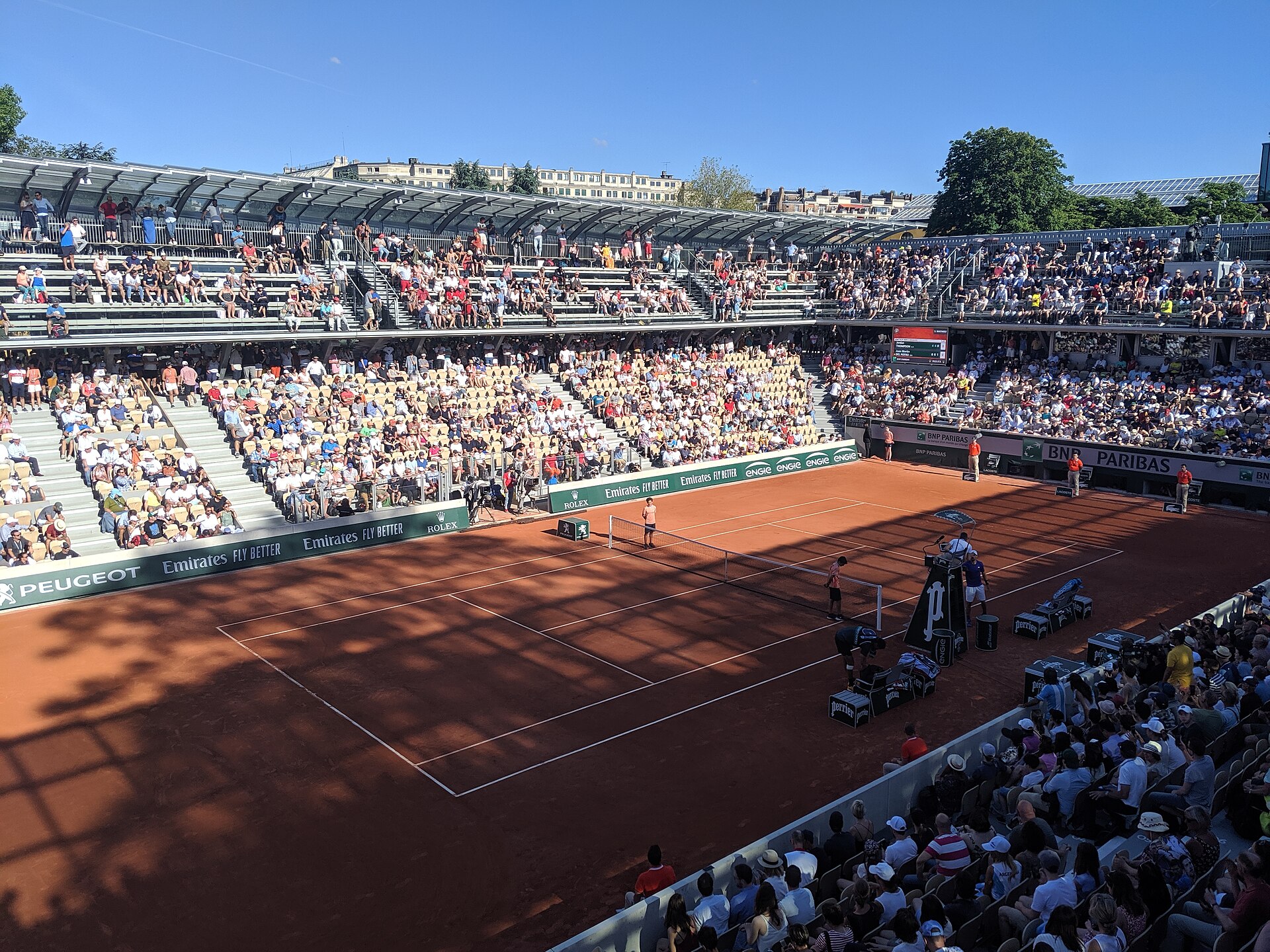
How does clay change tennis?
Clay courts use an unbound top layer and commonly allow sliding. Ball marks can help establish where a ball landed under the event’s procedures. Describing every clay court as equally slow ignores maintenance, weather, balls and local conditions.
What makes grass different?
Grass is a living surface whose condition changes with wear and weather. A low or variable bounce and movement demands can reward preparation and adjustment. Grass-court tennis does not mean that every player serves and volleys on every point.
Are all hard courts fast?
No. Hard-court systems vary. Court pace is a measured property, not a synonym for surface name; the ITF classifies court pace using a testing process. Indoor versus outdoor conditions are another separate distinction.
How should I compare a player across surfaces?
State the time window and match sample. Five wins from six matches on one surface cannot be compared as if it were the same evidence as fifty from eighty on another. Account for opponent strength and competition level before claiming a surface specialist.
Frequently asked questions
Is indoor a surface?
No. Indoor describes the environment; the court still has a surface.
Can players slide on hard courts?
Some do, but movement technique and traction differ; surface alone does not establish safe technique.
Does clay guarantee longer matches?
No. Match format, score, pace and interruptions also matter.
Sources and scope
Official references used for this edition. Dates and records reflect the stated cutoff; schedules and rules can change. Examples labeled hypothetical are illustrations, not match results.